

GeoCell Ground Grid for Gravel Stabilization and Erosion Control
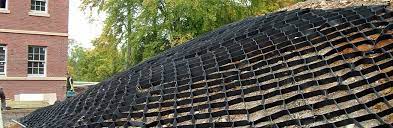
Geocells are three-dimensional cellular confinement systems made from durable HDPE plastic. They hold gravel, soil, or other fill in place to stabilize bases, slopes, and channels while controlling erosion. By spreading loads across a wider area, they reduce stress on the subgrade below, which makes them a reliable choice for permeable gravel stabilization.
What Is a GeoCell Ground Grid?
When you fasten geocells together and place them on prepared subsoil, the panels expand into an interconnected ground grid that holds soil, aggregate, recycled materials, and more. Once you compact the infill, the system gains added strength and can support slimmer sections or added reinforcement, depending on site conditions.
Applications and Benefits
Civil engineers rely on geocells for base reinforcement and surface stabilization on roads, access roads, work pads, and building foundations. They also use them for mud control over soft soils, slope protection, drainage, flood control, mining containment, and sediment control. For green parking, geocells reinforce grass paths and parking areas from below, protecting the surface from foot and vehicle traffic.
Geocells create long-lasting infrastructure by providing a stable yet flexible base. Their load distribution reduces subgrade stress while supporting the reinforced structure above. They also secure slopes better than mulch mats or stone pitching, which requires skilled placement and regular maintenance. And because geocells are made from high-quality polymeric strips, they resist deterioration from temperature shifts and thermal cycling, so soil retention lasts longer than with traditional options.
How to Choose the Right GeoCell Depth and Infill
Choose geocell depth and infill based on traffic loads, subgrade strength, and how much base support you need. Lighter pedestrian areas usually use shallower cells, while driveways, parking areas, and heavier vehicle zones usually need deeper cells, stronger aggregate, and more anchoring. If you’re selecting a panel for these conditions, Typar Geocell is one example of a geocell system used for reinforcement and stabilization.
- Walkways: Use cells that are 3–4 inches deep and fill them with compacted gravel or aggregate fines. Geotextile underlayment is recommended on soft or mixed subgrades. Perimeter stakes and light interior anchoring are typically enough to hold the panels in place.
- Driveways: Use cells that are 4–6 inches deep and fill them with angular crushed stone or compacted gravel. Geotextile underlayment is recommended. Stake the corners, edges, and interior rows as needed to keep the panels fully expanded during fill and compaction.
- Parking areas: Use cells that are 4–6 inches deep and fill them with angular crushed stone. Geotextile underlayment is recommended. Space anchors closer together on weak subgrades to prevent panel movement under repeated traffic.
- Slopes: Use cells that are 4–8 inches deep. Fill them with topsoil for vegetated slopes or aggregate for channels. Geotextile underlayment is recommended. Add more stakes on steeper grades and along the crest to keep the panels secure.
Heavier vehicle zones: Use cells that are 6–8 inches deep and fill them with angular crushed stone. Geotextile underlayment is recommended. These areas call for denser anchoring and stronger edge restraint to handle the added loads.
For traffic-bearing applications, avoid rounded infill. Angular crushed stone and well-compacted gravel lock together better than rounded material, while pea gravel can roll inside the cells and reduce surface stability.
Installation Essentials: Geotextile, Anchors, and Fill Material
Most installation problems come from three avoidable mistakes: skipping geotextile, under-anchoring the panels, or using rounded fill in traffic applications. A few basic steps help you avoid panel movement, base contamination, and early rutting.
- Prepare and grade the site by removing organics, cutting out soft spots, and bringing the subgrade to the required elevation.
- Install geotextile fabric over the prepared base when you need separation from soft or fine-grained soils. This underlayment helps keep fines from pumping into the aggregate layer.
- Expand the geocell panels and secure them with stakes before you place fill. J-hook rebar anchor stakes or earth anchors help hold the cells at full dimension, especially along edges, corners, and slopes.
- Place fill gradually, starting at one edge and working across the panel so the cells stay open. For roads, driveways, and parking areas, use angular crushed stone or compacted gravel instead of rounded stone.
- Compact the fill in lifts until the cells are full and stable. Don’t leave cells underfilled, and don’t rely on loose fill to lock the system in place.
Skipping geotextile can let fines migrate into the base. Under-anchoring can let panels shift during fill and compaction. Rounded fill can reduce interlock in traffic areas and shorten the life of the surface.
Contact us for special wholesale and volume discounts.
Frequently Asked Questions
What Is a Geocell Ground Grid Used For?
A geocell ground grid is used for gravel stabilization, base reinforcement, slope protection, channel lining, and erosion control. It confines fill inside connected cells, improves load distribution, and helps reduce rutting and subgrade stress.
What Fill Works Best in a Geocell?
The best fill depends on the application. For driveways, roads, and parking areas, angular crushed stone or compacted gravel usually performs best. For vegetated slopes, topsoil may be appropriate. Avoid rounded stone and pea gravel in traffic areas because they don’t lock together well.
Is Geotextile Needed Under a Geocell?
Geotextile is often recommended, especially over soft, fine-grained, or mixed subgrades. Geotextile fabric helps separate the base layer from the soil below and reduces the chance of fines migrating into the aggregate.
How Deep Should a Driveway Installation Be?
Many driveway installations use geocells that are 4-6 inches deep, but the right depth depends on traffic, subgrade strength, and the base design. Weaker soils or heavier use may call for a deeper section.
How Many Stakes Are Typically Required?
The number of stakes depends on panel size, subgrade conditions, slope, and wind exposure during installation. Many flat installations use stakes at corners, edges, and key interior points, while slopes and soft subgrades usually need more anchoring to keep the panels fully expanded.


Gravel-Lok Clear Permeable Binder
- Regular Price
- from $228.98
- Sale Price
- from $228.98
- Regular Price
-
- Unit Price
- per


Gravel-Lok Amber Permeable Binder
- Regular Price
- from $183.49
- Sale Price
- from $183.49
- Regular Price
-
- Unit Price
- per


LSG Load Support GeoCells
- Regular Price
- from $208.00
- Sale Price
- from $208.00
- Regular Price
-
- Unit Price
- per


JHR J-Hook, GeoCell Rebar #4
- Regular Price
- from $20.86
- Sale Price
- from $20.86
- Regular Price
-
- Unit Price
- per


SLP Slope GeoCell
- Regular Price
- from $217.00
- Sale Price
- from $217.00
- Regular Price
-
- Unit Price
- per


SBX5 Staples 1/2" for Hand Held Stapler
- Regular Price
- $18.59
- Sale Price
- $18.59
- Regular Price
-
- Unit Price
- per


STPR Hand Held Stapler
- Regular Price
- $61.83
- Sale Price
- $61.83
- Regular Price
-
- Unit Price
- per

Typar Geocell
- Regular Price
- from $374.86
- Sale Price
- from $374.86
- Regular Price
-
- Unit Price
- per


UBOLT- Wire Rope Clip
- Regular Price
- from $0.94
- Sale Price
- from $0.94
- Regular Price
-
- Unit Price
- per


EA1 Helix Earth Anchor 48" Long
- Regular Price
- $32.29
- Sale Price
- $32.29
- Regular Price
-
- Unit Price
- per

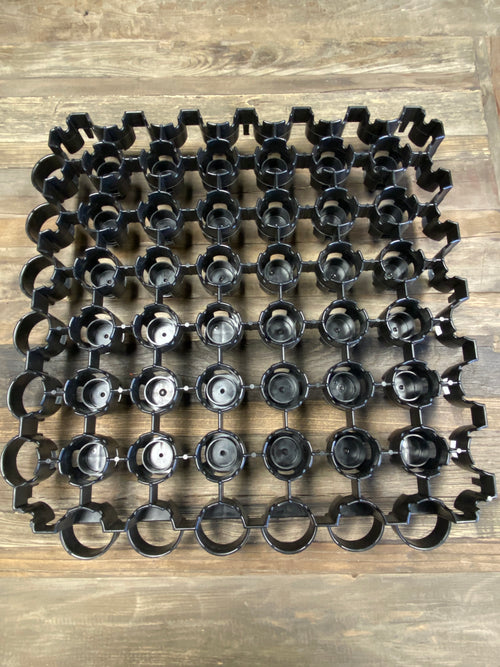

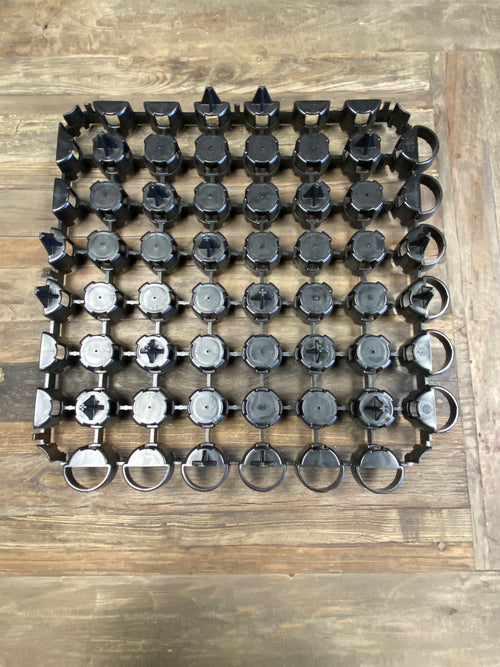
Typar BodPave85
- Regular Price
- $2,302.65
- Sale Price
- $2,302.65
- Regular Price
-
- Unit Price
- per


BPS Gravel-Lok Backpack Support Harness
- Regular Price
- $198.57
- Sale Price
- $198.57
- Regular Price
-
- Unit Price
- per
Showing items 1-12 of 12.