

Woven Geotextile Fabrics
Woven geotextile fabric is a polypropylene or polyester geosynthetic that gives you separation and stabilization, reinforcement, and support over weak subgrade in roads, driveways, and other load-bearing areas. Contractors often use it as driveway fabric and under aggregate to keep stone from mixing into soil, reduce rutting, and improve load distribution. If your project references AASHTO M288, you’ll want to match the fabric to the subgrade conditions and traffic loads.
Read MoreBenefits of Woven Geotextile Fabric
Woven geotextile fabric gives you high tensile strength and dimensional stability, so your aggregate layer stays where it belongs, and your base performs better over soft ground. It’s designed for reinforcement and separation, which means you can reduce rutting, limit soil contamination, and keep your surface more stable under traffic.
- Distribute loads across weak soil to reduce rutting and surface deformation.
- Separate aggregate from subgrade to limit contamination and extend base life.
- Provide low-permeability performance with lower water flow than nonwoven fabric when reinforcement matters most.
Woven vs. Nonwoven Geotextile Fabric: Key Differences
When you compare woven vs. nonwoven geotextile fabric, the biggest difference is function. Woven fabric focuses on reinforcement, separation, and low elongation, while nonwoven geotextile fabrics are usually the better choice when you need drainage and filtration. Water permittivity means how easily water passes through the fabric, and elongation means how much the fabric stretches before it breaks.
- Use woven fabric when you need reinforcement and aggregate separation under load.
- Use nonwoven fabric when you need higher water permittivity for drainage and filtration.
- Expect woven fabric to have lower water flow and lower elongation, usually about 5% to 20%, while nonwoven fabric often stretches more than 50% before it breaks.
|
Fabric Type |
Primary Function |
Water Flow |
Strength |
Elongation |
Best-Fit Applications |
|
Woven |
Separation, stabilization, and reinforcement |
Lower water flow |
Higher tensile strength for load distribution |
Low, typically 5% to 20% |
Roads, driveways, working pads, parking areas, and weak subgrade |
|
Nonwoven |
Filtration, drainage, and cushioning |
Higher water flow |
Lower reinforcement performance |
Higher, often 50% or more |
Drainage systems, wrapped pipe, French drains, and filtration layers |
How to Choose the Right Woven Geotextile Fabric
Choose woven geotextile fabric when reinforcement matters more than filtration, especially under roads, driveways, and other aggregate sections built over soft or weak soil. Start with the project load, the subgrade condition, and the amount of separation and stabilization you need, then check the fabric’s tensile strength, elongation, water flow, survivability, and roll size. If your plans call out AASHTO M288, match the fabric to that standard and the site conditions instead of choosing by price alone.
Slit film polypropylene yarns are flat polypropylene tapes cut from a sheet and woven together. They’re a common choice when you want cost-effective separation and stabilization under aggregate with lower water flow than nonwoven fabric. Other woven constructions are a better fit when you still need reinforcement but want more water movement through the fabric than slit film typically provides.
Common Applications for Woven Geotextile Fabric
You can use woven geotextile fabric anywhere you need separation and stabilization over soft subgrade and want to reduce aggregate migration under traffic. It’s common in roadway, site access, and ground stabilization work where keeping stone separated from soil improves long-term performance.
- Gravel driveways: Use road and driveway fabric as driveway fabric under stone to reduce aggregate migration, improve separation and stabilization, and limit rutting and potholes.
- Unpaved roads: Place woven fabric under the base to keep aggregate from punching into weak soil and to improve load support for regular vehicle traffic.
- Agriculture: Stabilize farm lanes, equipment paths, and access areas so you can reduce base loss and keep surfaces more usable in wet conditions.
- Erosion control projects: Use woven fabric where you need soil separation and reinforcement beneath aggregate or armoring layers with lower water flow than nonwoven options.
- Logging road access: Support temporary or remote access roads by separating rock from soft ground and reducing surface failure under heavy loads.
- Parking or staging areas: Build a more stable aggregate working surface that holds up better under repeated loading and turning traffic.
How to Install Woven Geotextile Fabric
- Prepare the site by clearing vegetation, large rocks, debris, and any unstable material that could damage the fabric.
- Level the subgrade so the fabric sits flat and stays in full contact with the soil below.
- Roll out the woven fabric over the prepared surface, and keep it smooth to avoid wrinkles and folds.
- Overlap adjacent sections according to your project requirements, with enough coverage to maintain separation between panels.
- Secure the fabric with pins, staples, or aggregate cover so it doesn’t shift during placement.
- Place aggregate on top of the fabric without driving directly on exposed material, then spread it evenly from the covered area outward.
- Compact the aggregate in lifts, and keep the fabric edges buried or overlapped so they stay protected and continue to separate the base from the soil.
Frequently Asked Questions
What is woven geotextile fabric used for?
You’ll usually use woven geotextile fabric for separation, stabilization, and reinforcement under roads, gravel driveways, parking areas, and other aggregate surfaces built over weak soil.
What is the difference between woven and nonwoven geotextile fabric?
Woven fabric is the better choice when you need higher strength and lower elongation for reinforcement, while nonwoven fabric is typically better when you need filtration and drainage.
Does woven geotextile fabric let water through?
Yes, but it usually has lower water flow than nonwoven fabric. That low-permeability performance works well when you want reinforcement and separation more than fast drainage.
How do you install woven geotextile fabric under gravel?
Prepare and level the subgrade, roll out the fabric, overlap and secure the seams, place aggregate on top without exposing the fabric to traffic, and compact the stone in lifts.
What applications are best for woven geotextile fabric?
It works best in gravel driveways, unpaved roads, logging roads, parking or staging areas, and other projects where you need to separate aggregate from soft subgrade and improve load support.

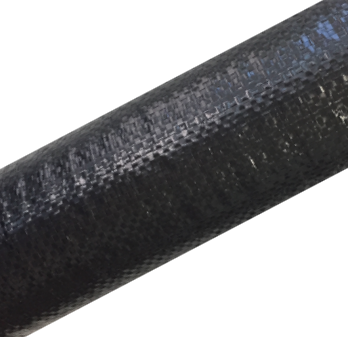
Silt Fence Fabric Rolls
- Regular Price
- from $10.00
- Sale Price
- from $10.00
- Regular Price
-
- Unit Price
- per

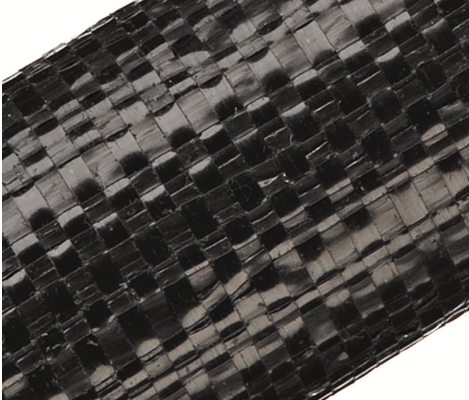
GW40-12.5 Woven Geotextile
- Regular Price
- from $50.00
- Sale Price
- from $50.00
- Regular Price
-
- Unit Price
- per

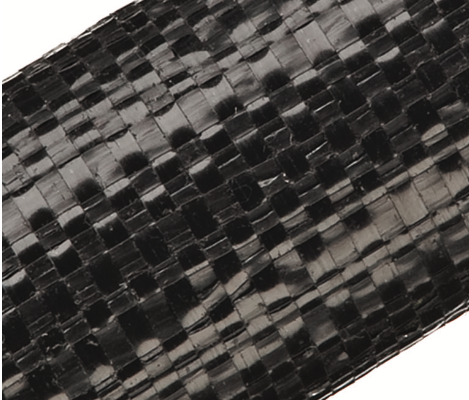
GW63-12.5 Woven Geotextile
- Regular Price
- $475.00
- Sale Price
- $475.00
- Regular Price
-
- Unit Price
- per
Showing items 1-3 of 3.