

Non-Woven Geotextile Fabrics
BlueStone Supply stocks non-woven geotextile fabric made from needle-punched polypropylene staple fibers for drainage, filtration, separation, and road underlayment applications. This drainage fabric lets water pass at high flow rates while holding back soil fines, so you can protect French drains, retaining wall drainage zones, riprap bases, and aggregate layers from contamination. Because the fibers are needle-punched instead of woven, the fabric conforms to uneven surfaces and delivers long-term performance in buried soil contact.
Read MoreHow to Choose the Right Non-Woven Geotextile Fabric Weight
Fabric weight affects puncture resistance, survivability during installation, and how well the fabric fits the demands of your project. Use this general guide to match BlueStone Supply's non-woven geotextile fabric weights to common applications.
|
Fabric Weight |
Common Use Case |
Why You'd Choose It |
|
3.5 oz |
French drains |
Use this weight when you need dependable filtration around pipe and stone in lighter residential drainage installations. |
|
4 oz |
Retaining walls |
Use this weight for many residential wall builds where you need to separate drain stone from native soil without restricting water flow. |
|
4.2 oz |
Paver underlayment |
Use this weight under paver base when you need separation, conformability, and drainage beneath hardscape layers. |
|
6 oz |
Use this weight for driveways and access roads where installation stress and aggregate loads call for added protection. |
|
|
8 oz |
Riprap |
Use this heavier fabric beneath larger stones where rough subgrades and higher installation stress demand more durability. |
If you're selecting between weights, start with the stone size, soil conditions, and installation stress. Need help with your order? Contact us for special wholesale and volume discounts.
Key Properties and Benefits of Non-Woven Geotextile Fabric
You'd typically choose non-woven geotextile fabric when your project needs filtration, separation, drainage, and high flow rates. If the job depends more on reinforcement and stabilization, woven fabric is usually the better fit.
- It provides reliable filtration and separation between soil and aggregate.
- It supports high flow rates in drainage systems without letting fines wash into the stone.
- It offers puncture resistance during installation under angular aggregate and backfill.
- It maintains UV stability during short-term jobsite exposure before burial.
- It is non-biodegradable, so it holds up in long-term soil contact.
When to Use Woven vs. Nonwoven Geotextile Fabric
Choose a non-woven geotextile fabric when you need water to move through the fabric while soil stays in place. Choose woven geotextile fabrics when your project needs reinforcement and stabilization beneath aggregate, pavement, or other loaded surfaces. If you want a closer comparison, review the difference between woven and non-woven geotextile fabric.
Most drainage applications use needle-punched polypropylene fabric. Manufacturers make this type of non-woven fabric by mechanically entangling staple fibers with barbed needles to create a permeable sheet. Some non-woven products are also made with thermal bonding, which uses heat to fuse fibers together, or resin bonding, which uses binders to hold the fiber web in place. Each process changes the balance of filtration, surface texture, and strength, but needle-punched non-woven fabric is the standard choice for filtration and drainage.
Common Applications for Nonwoven Geotextile Fabric
You can use non-woven geotextile fabric in drainage systems, retaining walls, road underlayment projects, and landscaping when you need to separate soil from stone while still allowing water to pass.
- Drainage. You can use non-woven fabric as a drainage fabric around gravel trenches and outlets to keep soil fines from contaminating the stone.
- Pipe wrap. You can wrap perforated pipe and surrounding stone with French drain fabric, so water enters the system while sediment stays out.
- Filter fabric. You can place it between native soil and aggregate when you need filtration and separation in underdrains, trench drains, and outlet areas.
- Landscape fabric. You can use landscape fabric in select beds and hardscape areas where drainage matters more than aggressive weed suppression.
- Weed barrier. You can install non-woven fabric under rock or other cover where you want water infiltration and a lighter weed-control layer.
-
Railroad ballast separation. You can place it below the ballast to separate subgrade soils from stone and reduce contamination in the drainage layer.
Using Non-Woven Geotextile Fabric for Retaining Walls
If you're installing a retaining wall, non-woven geotextile fabric is typically the right choice because it separates the drainage aggregate behind the wall from the native soil while still allowing water to pass. For many residential walls, 4 oz to 6 oz fabric provides the filtration and puncture resistance you need, though soil conditions and stone size can push you toward lighter or heavier fabric.
Place the fabric between the drainage aggregate and the native soil so fines can't migrate into the stone column. Without that separator, soil fines can clog the drainage zone, reduce water movement, and increase hydrostatic pressure behind the wall. Proper placement keeps the drainage layer open and supports long-term wall performance.

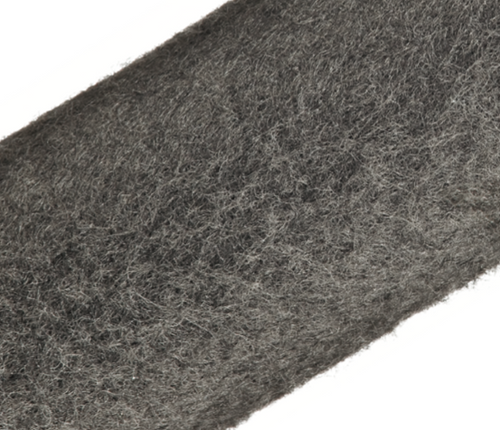

GN35 - 3.5 oz Filter Fabric
- Regular Price
- from $78.00
- Sale Price
- from $78.00
- Regular Price
-
- Unit Price
- per

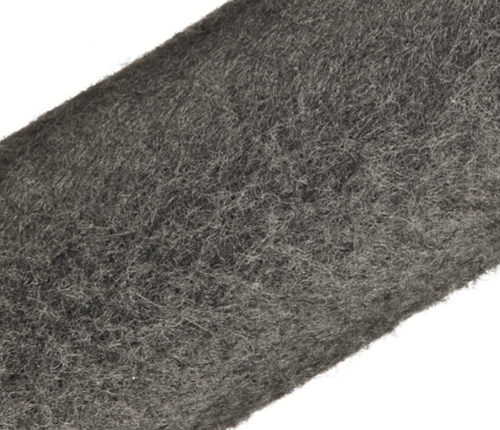

GN40 - 4 oz Filter Fabric
- Regular Price
- from $115.00
- Sale Price
- from $115.00
- Regular Price
-
- Unit Price
- per

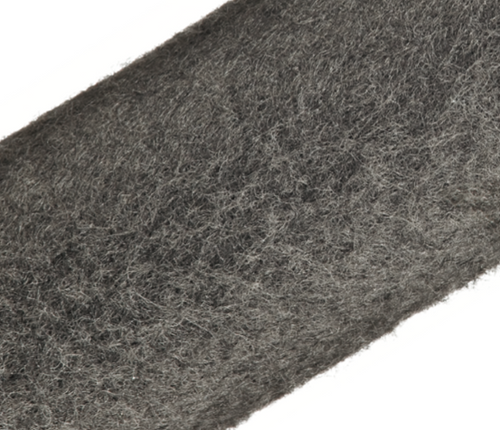

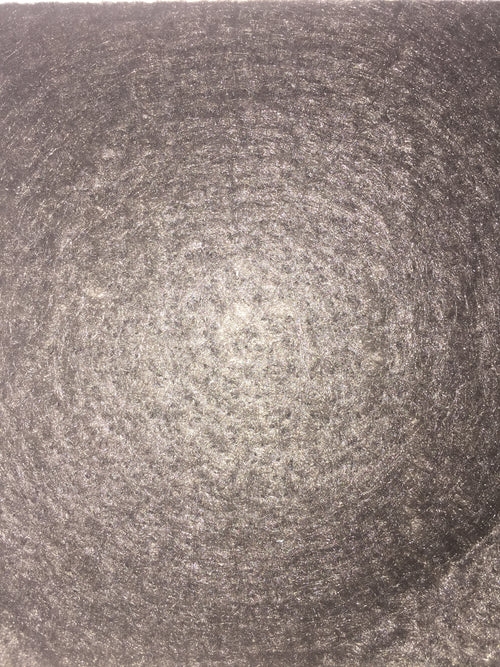
GN42 - 4.2 oz Filter Fabric
- Regular Price
- $415.00
- Sale Price
- $415.00
- Regular Price
-
- Unit Price
- per

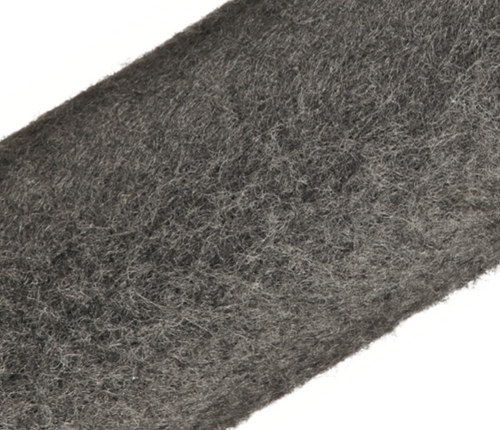

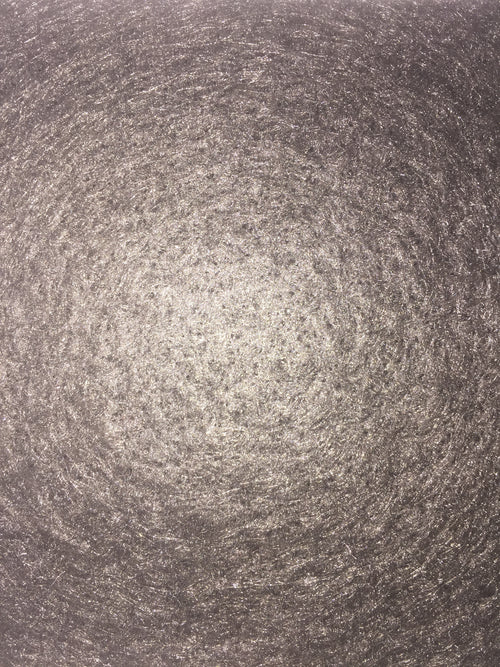
GN60 - 6oz Filter Fabric
- Regular Price
- from $91.52
- Sale Price
- from $91.52
- Regular Price
-
- Unit Price
- per

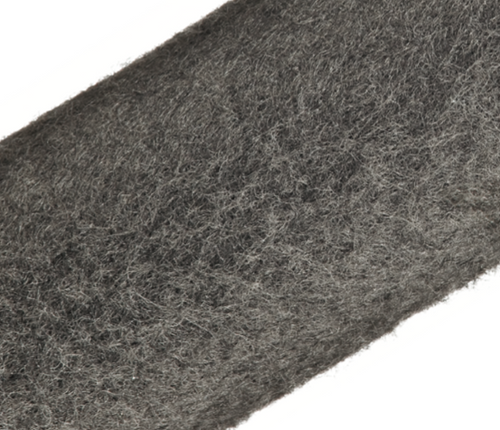

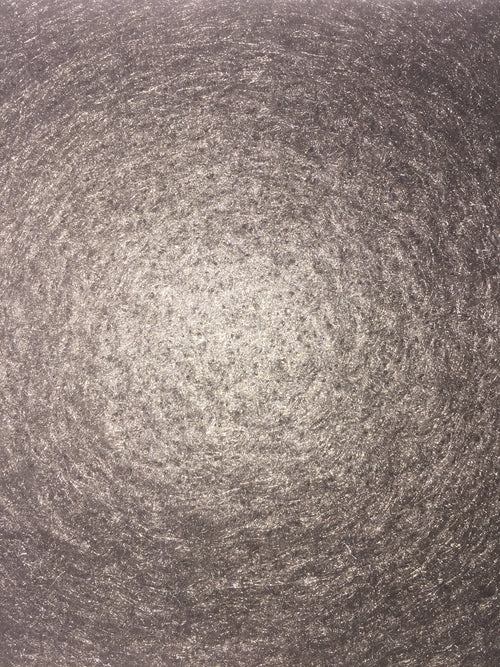
GN80 - 8oz Filter Fabric
- Regular Price
- from $109.12
- Sale Price
- from $109.12
- Regular Price
-
- Unit Price
- per
Showing items 1-5 of 5.