

Sediment & Erosion Control Products
Erosion Control Products For Slopes And Sediment Control
You need erosion control products and erosion control materials that match your slopes, soil, drainage patterns, and runoff conditions. The right system can stabilize disturbed ground, reduce sediment runoff, protect waterways, support wetland restoration, and keep your project on schedule.
If you’re working on steep slopes, channels, shorelines, construction sites, or landscaped areas, you need erosion control solutions that fit the site and the project duration. BlueStone Supply carries product types for reinforcement, filtration, sediment retention, dewatering, and surface protection.
Read MoreCommon Erosion Control Applications And Uses
You can match different products to the site condition and the type of runoff you need to manage.
- Steep Slopes: Use uniaxial geogrids, erosion control blankets, jute mesh, and geocells to reinforce soil and protect exposed surfaces.
- Channels And Swales: Use AquaRockBags, geotextiles, geocells, and blankets to reduce scour and keep flow paths stable.
- Shorelines: Use AquaRockBags, erosion control bags, gabions, and coir logs to protect banks from wave action and fluctuating water levels.
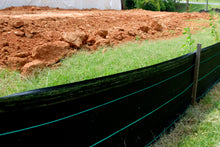
- Construction Sites: Use silt fence, straw wattles, filter socks, and blankets to keep sediment on site during grading and drainage work.
- Wetland Restoration: Use coir logs, jute mesh, and turbidity curtains to support planting zones and protect sensitive water edges.
- Road Reinforcement: Use biaxial geogrids and geotextiles under aggregate to strengthen soft subgrades and reduce rutting.
- Storm Drain Protection: Use inlet protection, filter socks, and other sediment controls around drains and curb inlets.
- Dewatering Areas: Use dewatering bags to filter pumped water before discharge and reduce sediment release.
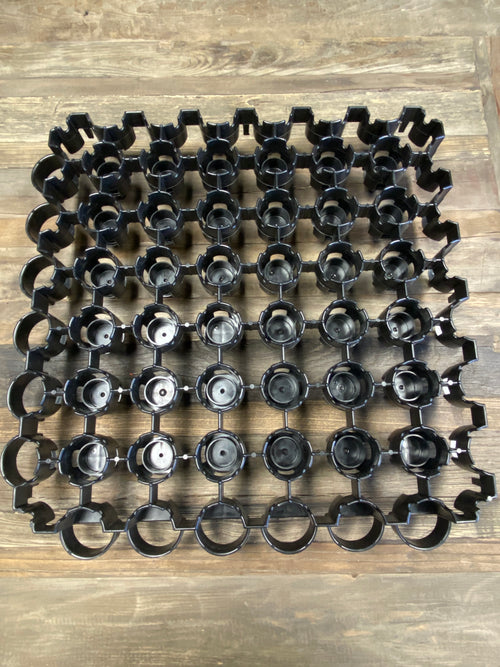
For driveways, patios, drains, and walkways, Gravel-Lok binds loose aggregate and reduces surface erosion.
How Erosion Control Products Work
In construction erosion control, these products do three main jobs: they keep soil in place, slow down water, and separate sediment from runoff. BlueStone Supply carries geosynthetics for erosion control that reinforce slopes, line channels, filter water, and support aggregate over weak ground.
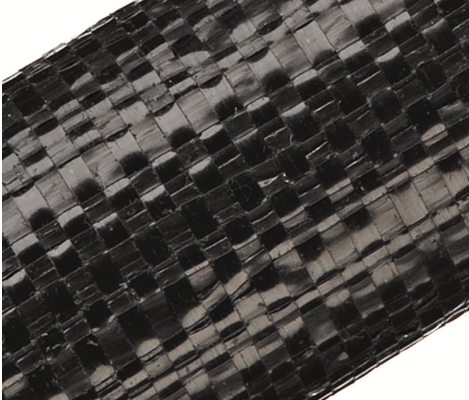
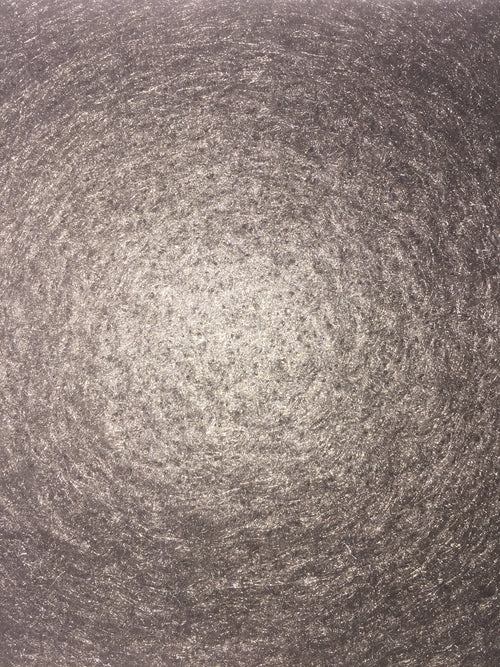
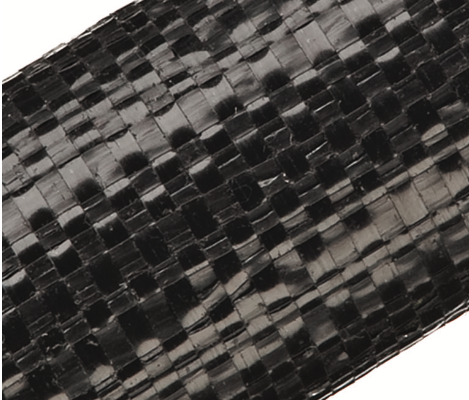
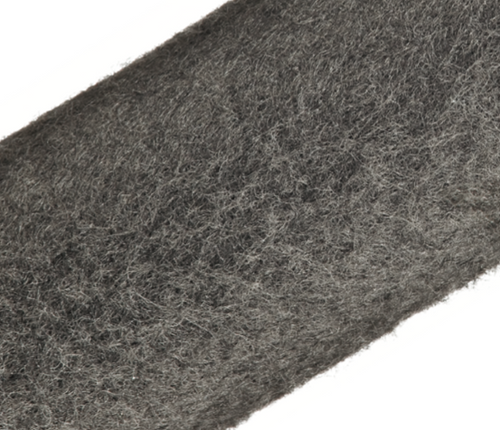
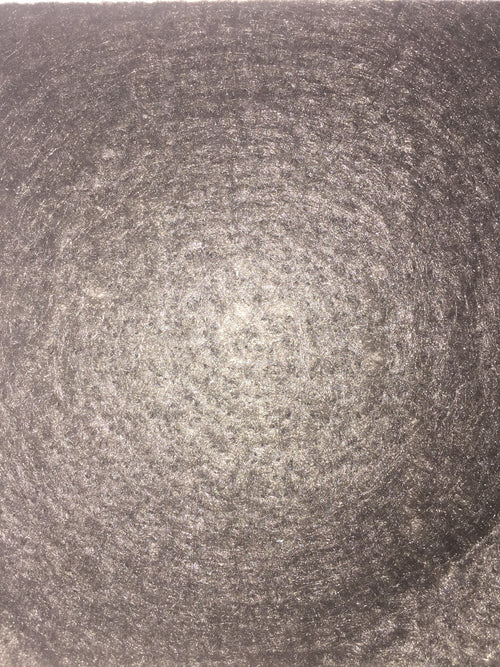
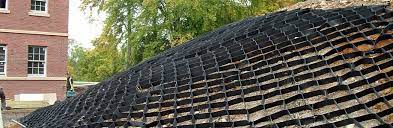
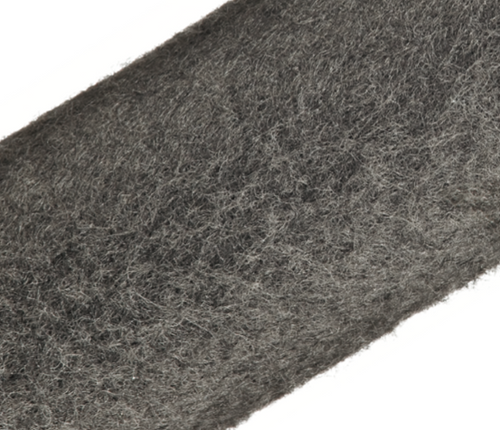
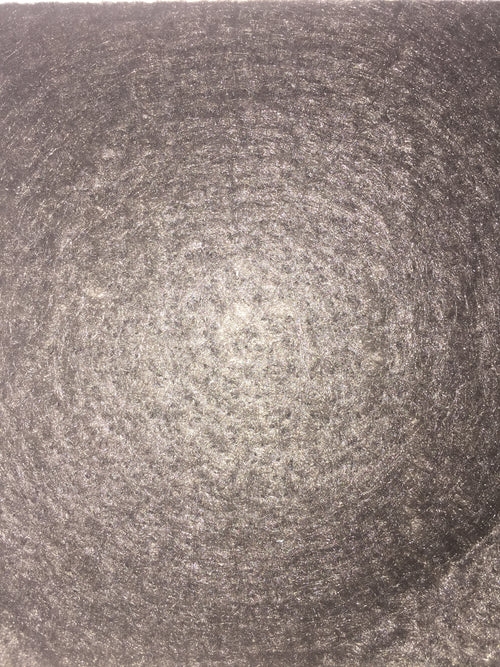
Geotextiles are permeable woven or non-woven polyester or polypropylene fabrics, often used as erosion control filter fabric, that let water pass while holding soil in place. Geogrids are polymer grid materials that add tensile strength, or pulling strength, inside the soil. Uniaxial geogrids provide strength in one direction for walls and steep slopes, while biaxial geogrids provide strength in two directions for road bases and aggregate reinforcement. Geocells are three-dimensional honeycomb panels that confine soil or stone on slopes and embankments.
- Geogrids: Uniaxial and biaxial geogrids reinforce soil, aggregate, and base layers.
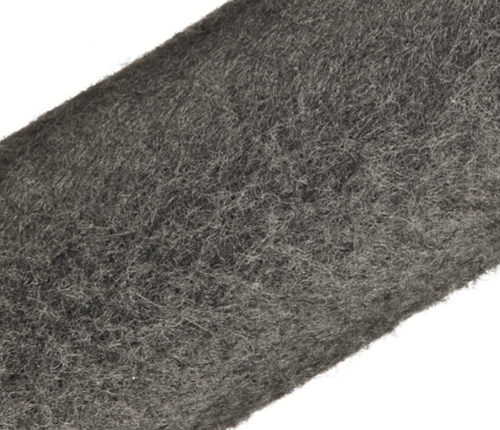
- Geotextiles: Woven and non-woven fabrics separate soil, filter water, and protect drainage layers.
- erosion control blankets: Blankets protect seedbeds, reduce surface erosion, and support vegetation establishment.
- AquaRockBags: Stone-filled mesh bags protect shorelines, outfalls, and stream banks from erosion, scour, and flooding.
- Gabions: Wire baskets filled with stone stabilize slopes, channels, and shoreline edges.
- Geocells: Cellular confinement panels hold soil and aggregate in place on steep grades and embankments.
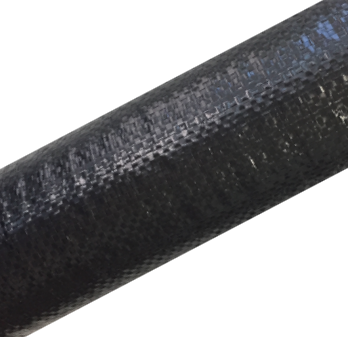
- Silt Fence: Perimeter fabric barriers intercept sediment-laden sheet flow on construction sites.
- Erosion Control Bags: Filled bags protect shorelines, outfalls, and banks from erosion and flooding.
- Straw Wattles: Fiber-filled tubes slow runoff and break up slope length.
- Coir Logs: Natural fiber logs stabilize shorelines, streambanks, and wetland edges.
- Filter Socks: Permeable tubes trap sediment around inlets, stockpiles, and site perimeters.
- Jute Mesh: Biodegradable mesh protects newly seeded slopes until vegetation takes hold.
- Dewatering Bags: Filtration bags capture sediment from pumped water discharge.
- Turbidity Curtains: Floating barriers contain suspended sediment in ponds, lakes, and marine work zones.
How To Choose The Right Erosion Control Material
Start with the slope angle and the way water moves across the site. On steep slopes and embankments, use reinforcement that adds internal strength to the soil, such as uniaxial geogrids or other geosynthetics for steep slopes and landslide prevention. Add surface protection such as blankets, jute mesh, or geocells when runoff can cut channels into exposed soil.
Next, look at soil type and expected runoff. Coarse soils often need surface cover to stop rilling, while soft or saturated soils need separation and confinement under stone. Biaxial geogrids work well under roads and work pads where you need base reinforcement. In vertical and shoreline applications, geocells, gabions, and erosion control bags can stabilize edges and resist erosion.
If your project includes rock features, retaining elements, or drainage channels, gabions can provide structure and drainage at the same time. You can also learn more about using gabions in sustainable landscape design for landscaped slopes and retaining features.
How To Choose The Right Erosion Control Product For Your Site
Choose the product by reviewing six site factors: slope steepness, soil type, runoff volume, vegetation cover, project duration, and whether you need temporary or permanent performance. A steep, bare slope with concentrated flow needs a different system than a flat perimeter with sheet flow or a discharge point from pumped water.
- Measure slope steepness: Steeper slopes usually need reinforcement plus surface cover.
- Check soil type: Soft, granular, and saturated soils often need geotextiles, geogrids, or confinement systems.
- Estimate runoff volume: Higher water volumes call for stronger channel protection, shoreline controls, or dewatering filtration.
- Review vegetation cover: Bare soil needs faster protection than established turf or planted areas.
- Match the project duration: Short-term grading work may use blankets, wattles, or silt fence, while permanent slopes often need geogrids, geocells, gabions, or established vegetation.
- Choose temporary or permanent performance: Natural-fiber products can support short-term stabilization, while polymer reinforcement and structural systems stay in place for long-term use.
How Sediment Control Products Protect Waterways
Sediment control products keep displaced soil on site while still letting water move through a controlled path. Sediment yield, or the amount of soil that leaves a site in runoff, increases when exposed ground drains without barriers, surface cover, or inlet protection. Silt fence acts as a perimeter erosion control barrier for sheet flow at the edge of disturbed areas. Fibrous log products such as straw wattles and coir logs slow runoff, spread flow, and reduce the force of water moving down a slope. Erosion blankets protect the soil surface, so less sediment breaks loose in the first place.
Storm drain inlet protection and other stormwater BMPs capture sediment before it enters pipes, culverts, and waterways. Dewatering bags filter sediment from pumped water discharge, and filter socks can support perimeter control around stockpiles, drains, and work zones. Used together, these products keep sediment on site while allowing water to flow where it should.
The Most Effective Approach To Soil Erosion Control
The most effective approach combines site planning, quick stabilization, and targeted sediment controls. Disturb only the area you need, protect exposed soil right away, and install runoff controls before heavy rain moves across the site.
Loose soils can blow or wash away quickly, while compacted soils shed water and increase runoff velocity. You can manage both conditions with the right mix of surface blankets, reinforcement layers, perimeter barriers, inlet protection, and vegetation establishment.
BlueStone Supply supplies products for slope stabilization, sediment retention, drainage, and site access work. We ship nationwide, and we can help you compare materials for temporary and permanent site conditions.
The Benefits Of Erosion Control Products
Erosion control products give you concrete results on active and finished sites. They retain topsoil, reduce runoff velocity, protect seed and mulch, support vegetation establishment, and stabilize slopes and shorelines before damage spreads.
When you combine surface protection with reinforcement or sediment barriers, you can limit washouts, reduce rills and gullies, and keep drainage systems cleaner. That means better seed survival, more consistent slope performance, and less sediment moving into nearby streams, ponds, and storm drains.
Why Choose Our Erosion Control Products for Your Project?
You can source reinforcement, filtration, sediment control, and shoreline protection products from BlueStone Supply for projects that range from residential grading to civil site work. The product range includes temporary covers for seeding, permanent reinforcement for slopes and roads, and filtration products for drainage and dewatering applications.
If you need to compare product types, quantities, or site conditions, we can help you narrow the options and coordinate delivery for your schedule.
Frequently Asked Questions
What are the most common erosion control products?
Common erosion control products include geogrids, geotextiles, erosion control blankets, gabions, geocells, silt fence, erosion control bags, straw wattles, coir logs, filter socks, jute mesh, dewatering bags, and turbidity curtains.
Which erosion control product is best for steep slopes?
Steep slopes usually need a layered system. Uniaxial geogrids or geocells provide reinforcement, while blankets or jute mesh protect the soil surface and support vegetation.
What is the difference between erosion control and sediment control?
Erosion control keeps soil in place before runoff moves it. Sediment control captures soil after water starts carrying it downslope or off site.
Are there biodegradable erosion control products?
Yes. Jute mesh, straw wattles, coir logs, and many natural-fiber blankets biodegrade over time while vegetation becomes established.
When should I use a silt fence instead of a blanket or wattle?
Use a silt fence at the perimeter where sheet flow leaves the site. Use a blanket on the slope surface, and use a wattle to break up flow along contours, at shorter slope intervals, or around inlets.


Silt Fence Fabric Rolls
- Regular Price
- from $10.00
- Sale Price
- from $10.00
- Regular Price
-
- Unit Price
- per

GW40-12.5 Woven Geotextile
- Regular Price
- from $50.00
- Sale Price
- from $50.00
- Regular Price
-
- Unit Price
- per


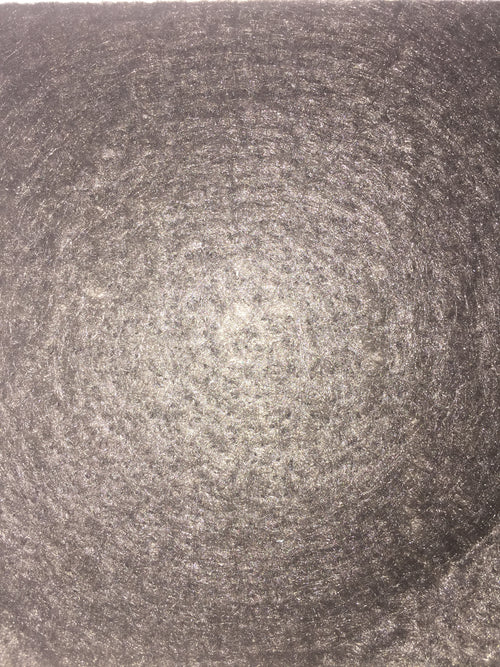
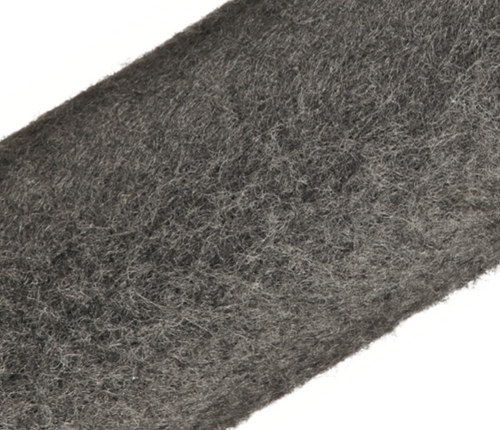
GN40 - 4 oz Filter Fabric
- Regular Price
- from $115.00
- Sale Price
- from $115.00
- Regular Price
-
- Unit Price
- per


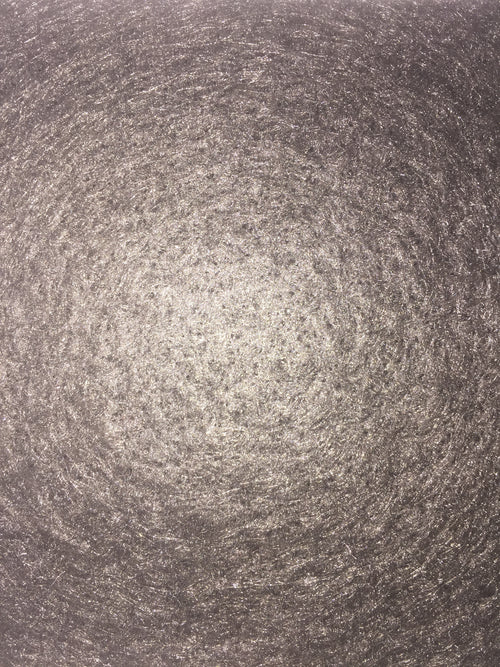
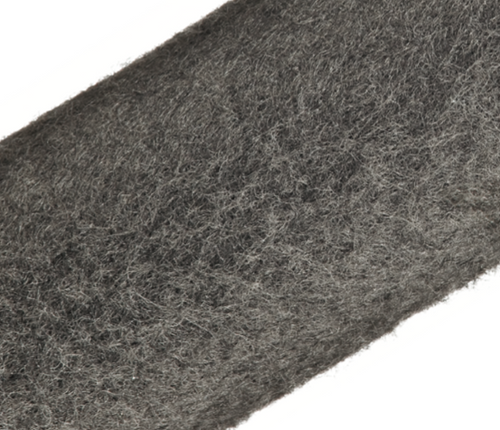
GN60 - 6oz Filter Fabric
- Regular Price
- from $91.52
- Sale Price
- from $91.52
- Regular Price
-
- Unit Price
- per


GN80 - 8oz Filter Fabric
- Regular Price
- from $109.12
- Sale Price
- from $109.12
- Regular Price
-
- Unit Price
- per

GW63-12.5 Woven Geotextile
- Regular Price
- $475.00
- Sale Price
- $475.00
- Regular Price
-
- Unit Price
- per


GN35 - 3.5 oz Filter Fabric
- Regular Price
- from $78.00
- Sale Price
- from $78.00
- Regular Price
-
- Unit Price
- per

Typar Geocell
- Regular Price
- from $374.86
- Sale Price
- from $374.86
- Regular Price
-
- Unit Price
- per


InstaTurf® ShearForce™ Hybrid Turf Instant Soft Armor Mats
- Regular Price
- from $400.95
- Sale Price
- from $400.95
- Regular Price
-
- Unit Price
- per


Silt Sack - Sediment Trap
- Regular Price
- $45.90
- Sale Price
- $45.90
- Regular Price
-
- Unit Price
- per


Dewatering Bags
- Regular Price
- from $55.00
- Sale Price
- from $55.00
- Regular Price
-
- Unit Price
- per


GN42 - 4.2 oz Filter Fabric
- Regular Price
- $415.00
- Sale Price
- $415.00
- Regular Price
-
- Unit Price
- per


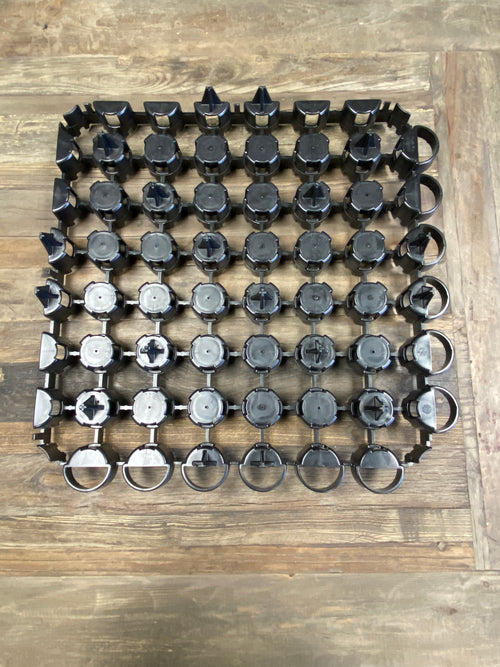
Typar BodPave85
- Regular Price
- $2,302.65
- Sale Price
- $2,302.65
- Regular Price
-
- Unit Price
- per

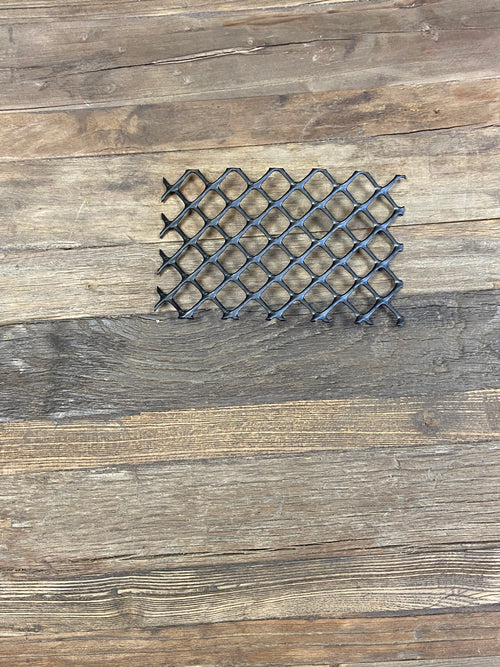


Typar Grass Protecta
- Regular Price
- from $708.94
- Sale Price
- from $708.94
- Regular Price
-
- Unit Price
- per
Showing items 1-15 of 15.