

Heavy Duty Landscape Fabric
A truly heavy duty landscape fabric is defined by weight, construction, UV resistance, roll size, and the job you need it to handle. If you’re comparing a heavy duty weed barrier or weed block for gravel, rock, or long-term separation, focus on products in the 3.5 oz to 5 oz range, choose woven or nonwoven construction based on drainage and stabilization needs, confirm whether you need UV-resistant landscape fabric for sun exposure, and match the roll size to the area you need to cover.
Read MoreHow to Choose the Right Heavy Duty Landscape Fabric
Start with the project. If you need better water flow, compare nonwoven geotextile fabrics. If you need more tensile strength and separation under aggregate, compare woven geotextile fabrics. Some projects also call for a woven needle punch landscape fabric when you need a balance of strength and permeability. For drainage-focused installations, a product selected like French drain fabric is often the better fit, while gravel drives and aggregate areas may need a heavier stabilization layer similar to road and driveway fabric.
Best Uses for Heavy Duty Landscape Fabric
Heavy duty landscape fabric works best where you need weed control and separation under inorganic cover. Use it under gravel paths, rock beds, and similar installations where you want to keep aggregate cleaner, slow weed growth, and reduce soil migration into the surface layer. It’s also a practical choice when you want a cleaner base under decorative stone or a more stable layer beneath light-use gravel areas.
It isn’t the best default for every planting area. If you’re working in vegetable gardens, organic mulch beds that need regular soil improvement, or around trees where roots benefit from open soil, choose a different weed-control approach instead of covering the area with heavy duty landscape fabric.
How to Install Heavy Duty Landscape Fabric
Installing heavy duty landscape fabric is straightforward if you prepare the ground well and cover the fabric correctly. Here are the steps to install it:
- Remove all vegetation, grass, and weeds, and dig deep enough to remove the roots
- Rake the soil smooth, and clear out sharp stones, twigs, and other debris that could puncture the fabric
- Roll out the fabric with the correct side facing up according to the product instructions, and cut only where you need to fit around edges, plants, or obstacles
- Overlap adjoining pieces at the seams, and secure the seams, edges, and corners with landscape staples so the fabric stays flat during cover placement
- Fasten every corner, pin around cutouts, and keep the fabric tight enough that it won’t shift when you add rock or gravel
- Cover the fabric after installation so you don’t leave exposed sections vulnerable to movement, damage, or unnecessary UV exposure
What Is Heavy Duty Landscape Fabric?
Heavy duty landscape fabric is a physical weed block that helps stop weeds from taking root while still allowing water and air to move through the system. You’ll typically choose between woven and nonwoven construction, and the better option depends on whether your project needs more separation strength, more permeability, or a balance of both.
When you compare products, focus on fabric weight, puncture resistance, permeability, roll size, and how long the material may remain exposed before you cover it. Some products are made as UV resistant landscape fabric for limited exposure during installation, while others should be covered promptly with rock, gravel, or another specified surface material. If you need more durability, choose a thicker, heavier product instead of a light-duty weed barrier fabric.
When to Use Heavy Duty Landscape Fabric
If you want to prevent weeds from growing through gravel, crushed stone, or other inorganic ground cover, heavy duty landscape fabric is a good fit. You can also use it where you want a top layer that improves separation between soil and aggregate.
Use heavy duty landscape fabric under rock and gravel installations. Don’t use it as a catch-all solution in vegetable gardens, in organic mulch beds that need regular turning or composting, or around trees where root zones benefit from more natural soil conditions.
How to Choose the Best Heavy Duty Landscape Fabric
Choose 3.5 oz fabric when you need a lighter heavy-duty option for general weed control under decorative rock, light gravel, or standard landscape beds with inorganic cover. Step up to 4 oz when you need a better balance of puncture resistance, weed control, and separation for walkways, moderate gravel areas, or longer-lasting residential installations. Choose 5 oz landscape fabric when the installation is larger, rougher, or more demanding, especially under heavier gravel or rock, where you want added durability.
Construction matters as much as weight. Woven fabric is the better choice when strength, soil separation, and stabilization matter most. Nonwoven fabric is the better choice when you need higher permeability and drainage. If water flow is critical, lean toward nonwoven products. If keeping gravel separated from soft subgrade is the priority, lean toward woven products. When you compare options, also check whether the fabric is rated for UV exposure during installation and whether the roll size reduces seams on your project.
Geotextile Fabric Vs. Landscape Fabric
Landscape fabric is a subset of geotextile fabric. Heavy duty landscape fabric is usually selected for weed control and light separation in landscape applications, while geotextiles also include heavier woven and nonwoven products used for drainage, filtration, separation, and stabilization in civil construction.
A non-woven geotextile landscape fabric is a good fit when you need water to move through the system, and heavier nonwoven products are commonly used behind retaining walls, around drainage stone, and in other filtration applications. Heavier woven products are used when you need more tensile strength and better aggregate separation under gravel, access roads, parking areas, and similar installations.
Landscape Fabric Vs. Plastic Sheeting
Plastic is usually less expensive than heavy duty landscape fabric, and it can be easier to handle. But plastic doesn’t allow the same water flow or air movement, and it usually isn’t the better long-term choice when you need drainage, reusability, and a more stable base under rock or gravel.
Using Landscape Fabric Under Rocks
If you’re planning rock-based landscaping, placing heavy duty landscape fabric under the rock can make cleanup easier and reduce how much soil migrates up into the surface layer. That separation helps keep decorative rock cleaner and keeps smaller base material from mixing into larger stone, which supports a neater finished appearance.
How to Lay Heavy Duty Landscape Fabric Under Gravel
Use heavy duty landscape fabric for gravel when you want better weed control and cleaner separation between the soil below and the aggregate above. Here are some of the basic steps you will need to follow to lay heavy duty landscape fabric under gravel.
- Change or remove the top level of the soil, and make the surface level.
- Tamp the soil with a compactor so the base is firm before you place the fabric.
- Roll out the fabric in the direction that gives you the fewest seams, and keep the correct side facing up according to the product instructions.
- Overlap adjoining sections at every seam, and anchor the seams, edges, and corners so the fabric stays flat when you add gravel.
- Cut only as needed around edges, curves, or penetrations, and pin around those cutouts so soil doesn’t work up through the openings.
- Cover the entire area with gravel, and don’t leave exposed fabric at the surface.
When you install the right fabric correctly and keep it covered, you lower maintenance, improve separation, and get a longer-lasting gravel or rock installation.
Common Heavy Duty Landscape Fabric Mistakes to Avoid
Even with heavy duty landscape fabric, weeds can still show up if you leave gaps, exposed edges, or poorly secured seams. Here are some common mistakes to avoid:
- Don’t cut the fabric too short
- Don’t skip seam overlap between adjoining pieces
- Don’t leave the fabric unsecured at seams, edges, or corners
- Don’t use heavy duty landscape fabric as the default layer in organic mulch beds that need regular soil improvement
Heavy Duty Landscape Fabric FAQ
What weight landscape fabric is best for heavy duty use?
For most heavy-duty landscape projects, you’ll compare 3.5 oz, 4 oz, and 5 oz products. A 3.5 oz fabric works for general rock and light gravel applications, 4 oz is a strong all-around option, and 5 oz is better for larger or more demanding installations.
Can heavy duty landscape fabric go under gravel?
Yes. Heavy duty landscape fabric is commonly used under gravel to improve weed control and keep the gravel separated from the soil below.
Should landscape fabric be used under mulch?
It can work under inorganic cover, but it is usually a poor fit under organic mulch beds that need regular turning, soil amendment, or replanting.
What is the difference between woven and nonwoven landscape fabric?
Woven landscape fabric is usually chosen for strength and separation. Nonwoven landscape fabric is usually chosen when drainage and permeability matter more.
How long does heavy-duty landscape fabric last?
Service life depends on the product weight, construction, site conditions, and how quickly you cover it after installation. Heavier products that are installed correctly and kept covered generally last longer than light-duty options.
If you’re choosing fabric for a gravel, rock, or separation project, Contact us for special wholesale and volume discounts.


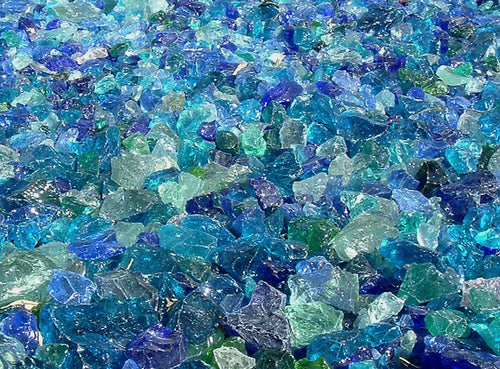

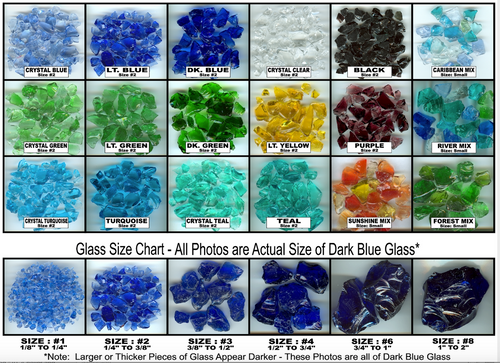
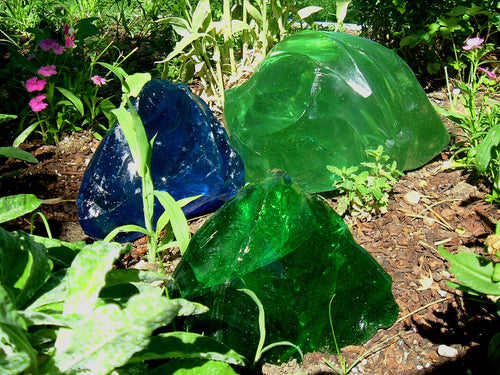
Mixed Color Landscape Glass Rock
- Regular Price
- from $107.75
- Sale Price
- from $107.75
- Regular Price
-
- Unit Price
- per
SOLD OUT

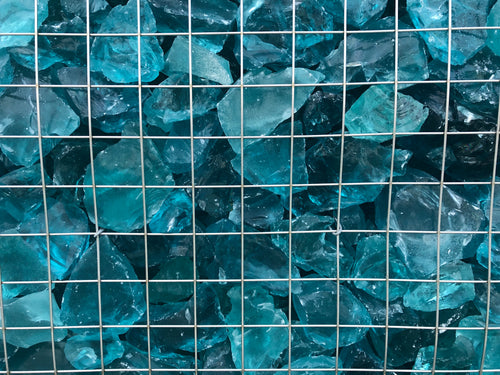

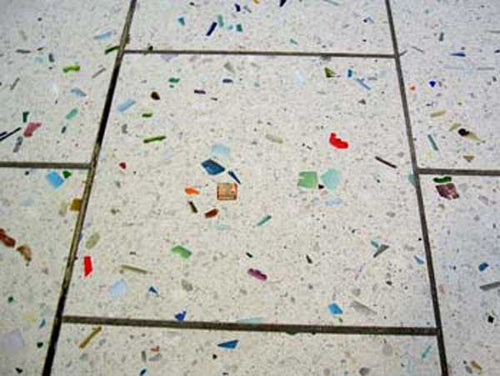
Gabion Glass Rock
- Regular Price
- from $375.00
- Sale Price
- from $375.00
- Regular Price
-
- Unit Price
- per
SOLD OUT


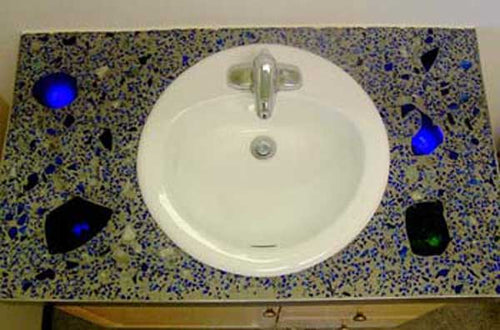
Tumbled Terrazzo Glass
- Regular Price
- from $104.00
- Sale Price
- from $104.00
- Regular Price
-
- Unit Price
- per

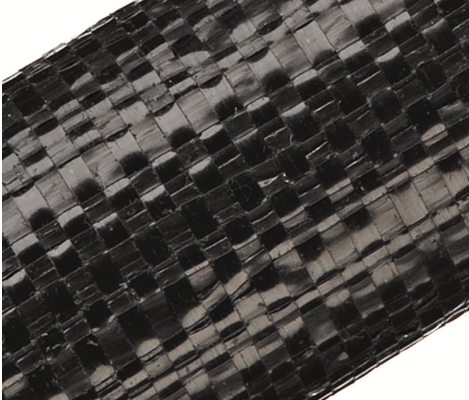
GW40-12.5 Woven Geotextile
- Regular Price
- from $50.00
- Sale Price
- from $50.00
- Regular Price
-
- Unit Price
- per


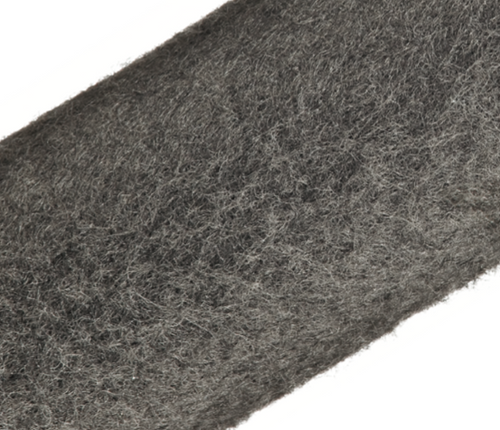
GN40 - 4 oz Filter Fabric
- Regular Price
- from $115.00
- Sale Price
- from $115.00
- Regular Price
-
- Unit Price
- per


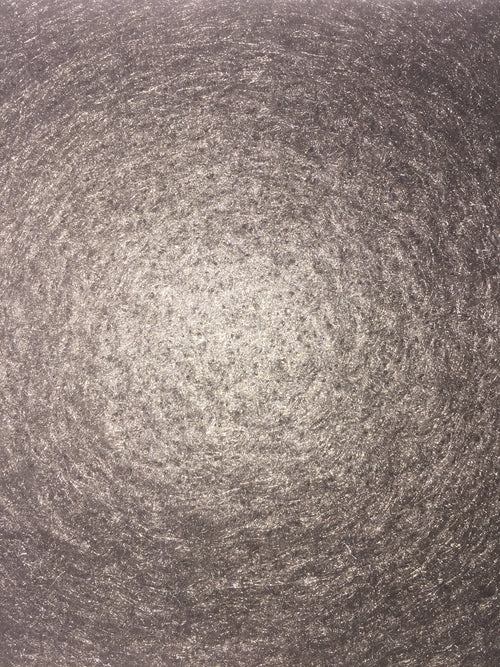
GN60 - 6oz Filter Fabric
- Regular Price
- from $91.52
- Sale Price
- from $91.52
- Regular Price
-
- Unit Price
- per


GN80 - 8oz Filter Fabric
- Regular Price
- from $109.12
- Sale Price
- from $109.12
- Regular Price
-
- Unit Price
- per

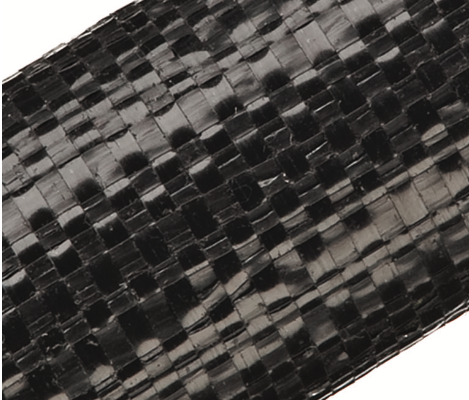
GW63-12.5 Woven Geotextile
- Regular Price
- $475.00
- Sale Price
- $475.00
- Regular Price
-
- Unit Price
- per

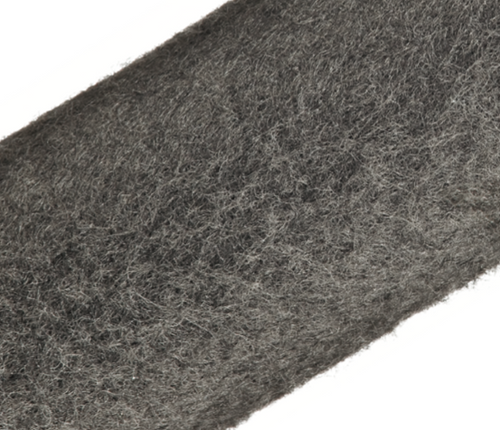

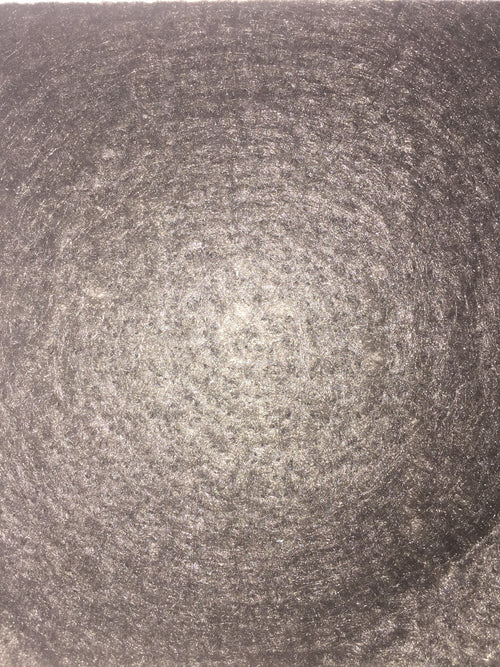
GN35 - 3.5 oz Filter Fabric
- Regular Price
- from $78.00
- Sale Price
- from $78.00
- Regular Price
-
- Unit Price
- per

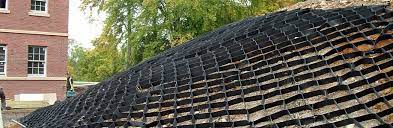
Typar Geocell
- Regular Price
- from $374.86
- Sale Price
- from $374.86
- Regular Price
-
- Unit Price
- per


InstaTurf® ShearForce™ Hybrid Turf Instant Soft Armor Mats
- Regular Price
- from $400.95
- Sale Price
- from $400.95
- Regular Price
-
- Unit Price
- per

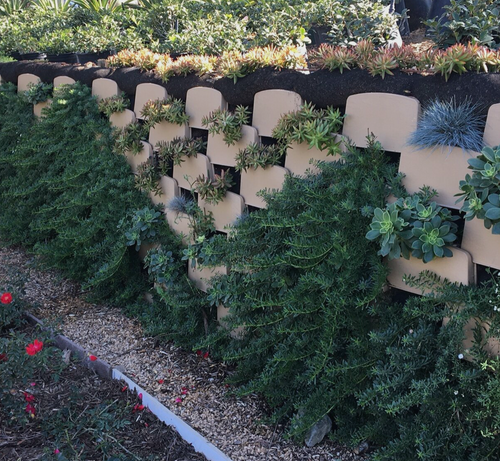

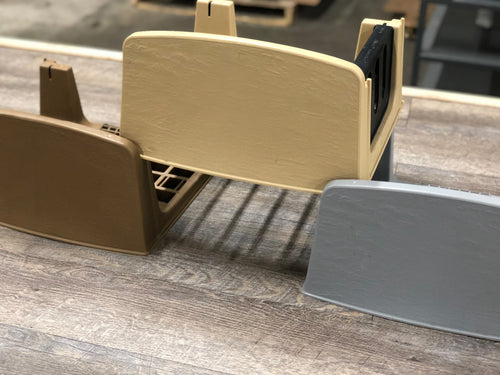
GreenTexx Plantable Blocks
- Regular Price
- from $165.00
- Sale Price
- from $165.00
- Regular Price
-
- Unit Price
- per

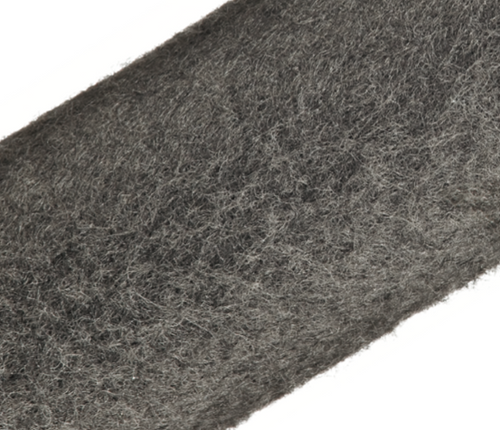

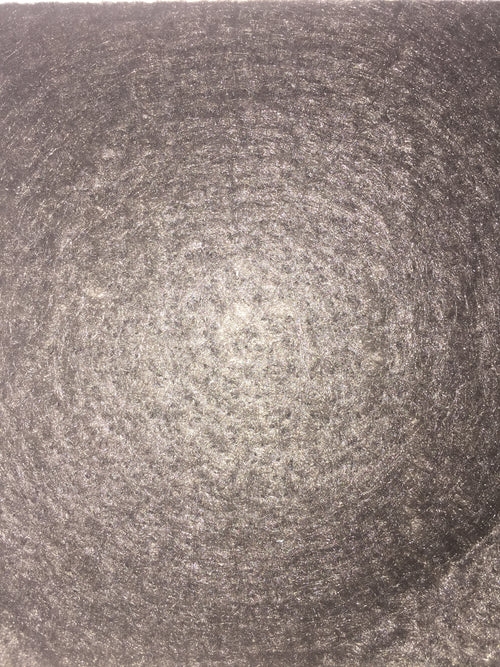
GN42 - 4.2 oz Filter Fabric
- Regular Price
- $415.00
- Sale Price
- $415.00
- Regular Price
-
- Unit Price
- per

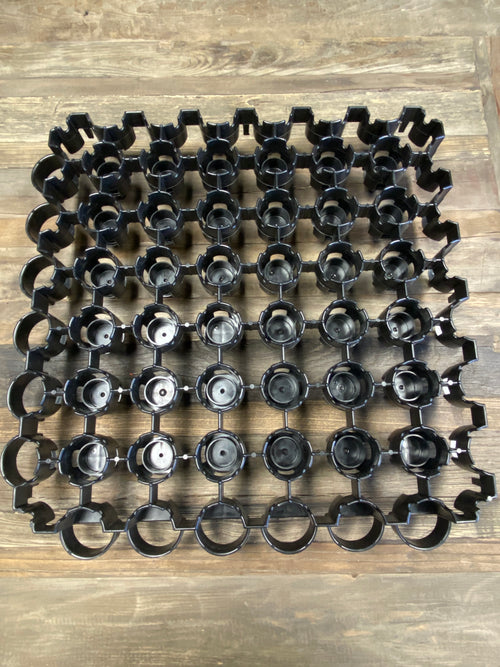

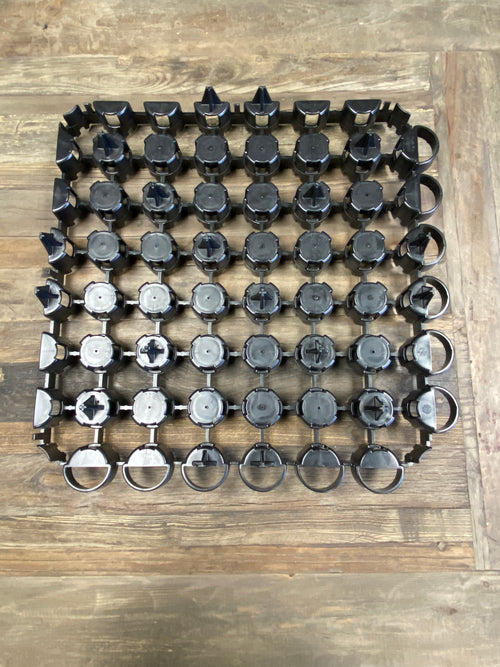
Typar BodPave85
- Regular Price
- $2,302.65
- Sale Price
- $2,302.65
- Regular Price
-
- Unit Price
- per

Typar Grass Protecta
- Regular Price
- from $708.94
- Sale Price
- from $708.94
- Regular Price
-
- Unit Price
- per




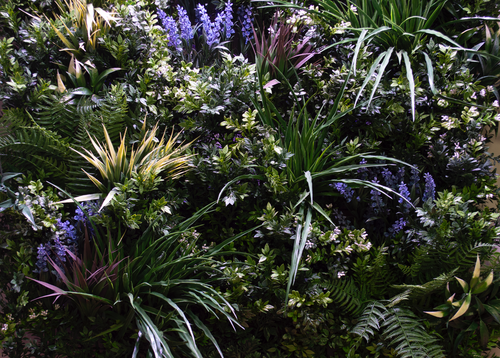
GreenTexx Faux Green Wall Panel
- Regular Price
- $420.00
- Sale Price
- $420.00
- Regular Price
-
- Unit Price
- per

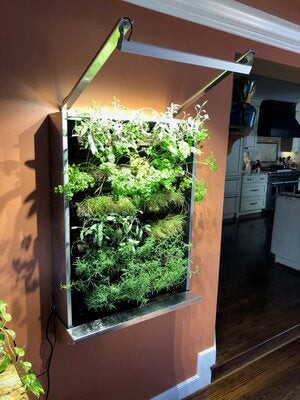

GreenTexx Sock Rack Indoor Green Wall Kit
- Regular Price
- from $900.00
- Sale Price
- from $900.00
- Regular Price
-
- Unit Price
- per

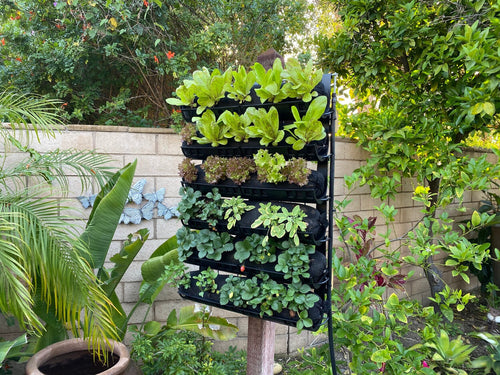

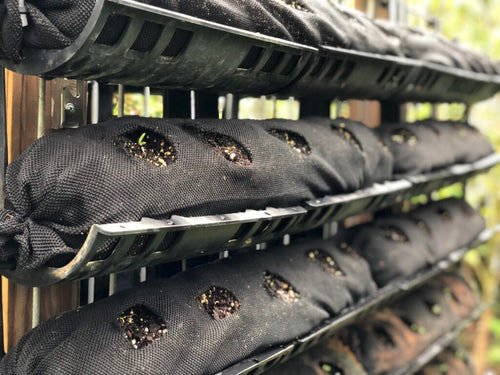
GreenTexx Sock Rack Outdoor Green Wall Kit
- Regular Price
- from $275.00
- Sale Price
- from $275.00
- Regular Price
-
- Unit Price
- per

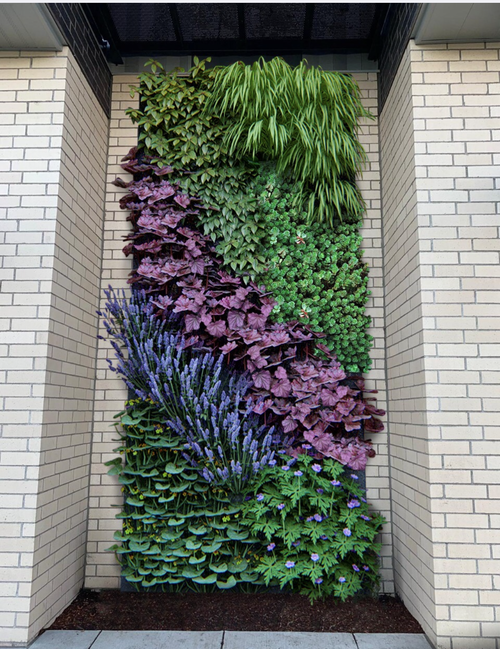

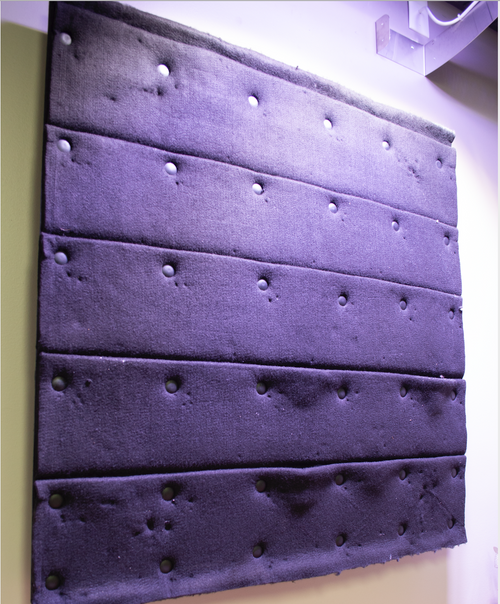
GreenTexx Pocket Panel Green Wall Kit
- Regular Price
- $500.00
- Sale Price
- $500.00
- Regular Price
-
- Unit Price
- per
Showing items 1-20 of 20.